Ramadan has always been a defining period for businesses in the UAE, but 2026 is shaping up to be something a little different. Consumer expectations are higher, competition is sharper, and the rhythm of daily life continues to shift further into the night.
For hospitality and retail brands, preparation is no longer about last-minute offers or decorative changes. It is about planning months ahead, understanding cultural nuance, and aligning operations with how people actually live and shop during the holy month.
At the heart of this shift is Ramadan 2026 UAE Business Preparation, a strategy-led approach that blends cultural respect with commercial intelligence.
Brands that get this right will not just survive Ramadan. They will build stronger loyalty and long-term growth.
A changing Ramadan consumer mindset
Ramadan in the UAE has evolved steadily over the past decade. While faith, family, and reflection remain central, lifestyles have adapted to modern work patterns, tourism growth, and a highly connected population. In 2026, businesses are preparing for longer operating hours, higher footfall after iftar, and customers who expect seamless service regardless of the time.
Hospitality venues are anticipating fuller restaurants late into the night, while retailers are preparing for peak shopping hours closer to midnight.
This shift is a key driver behind the growth of the UAE nocturnal economy 2026, where nights are no longer quiet downtime but the main commercial window.
Dubai hospitality trends shaping Ramadan 2026
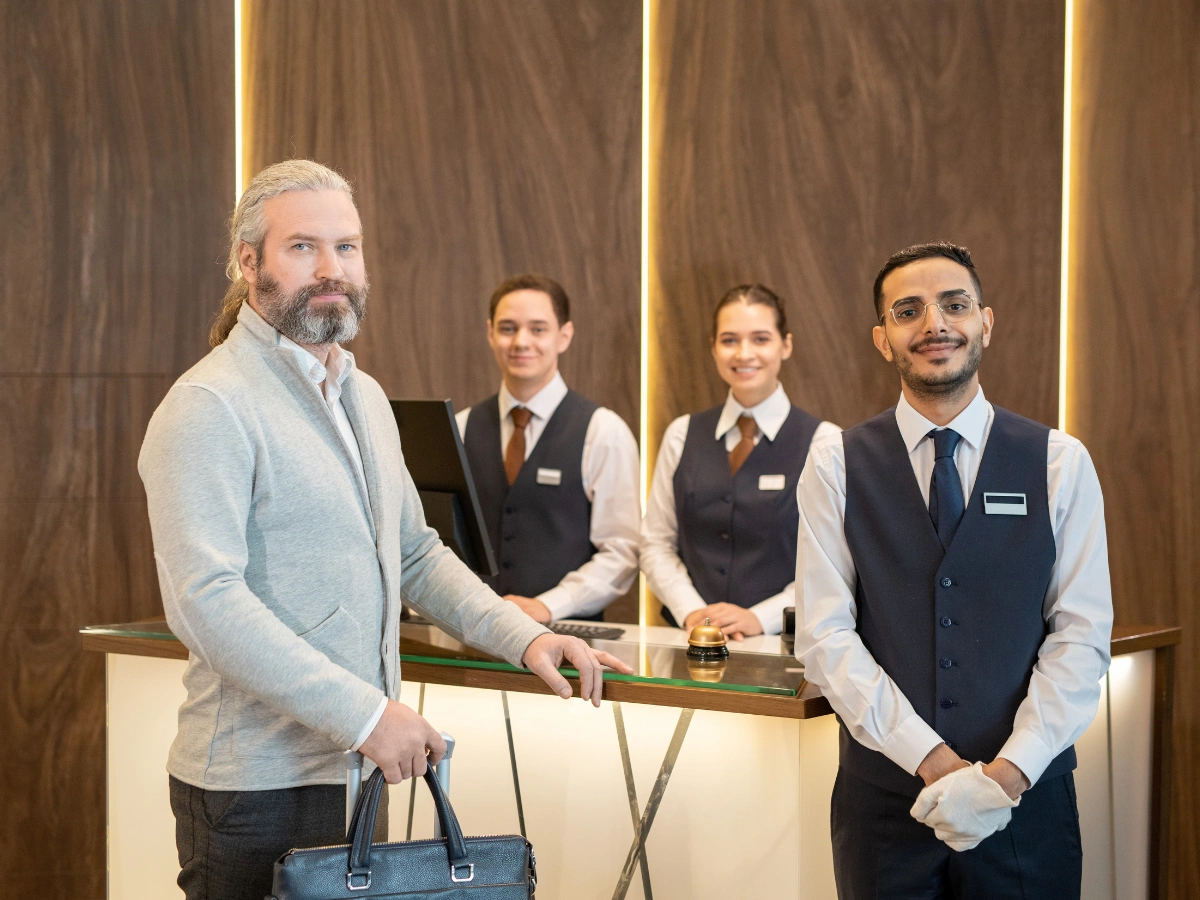
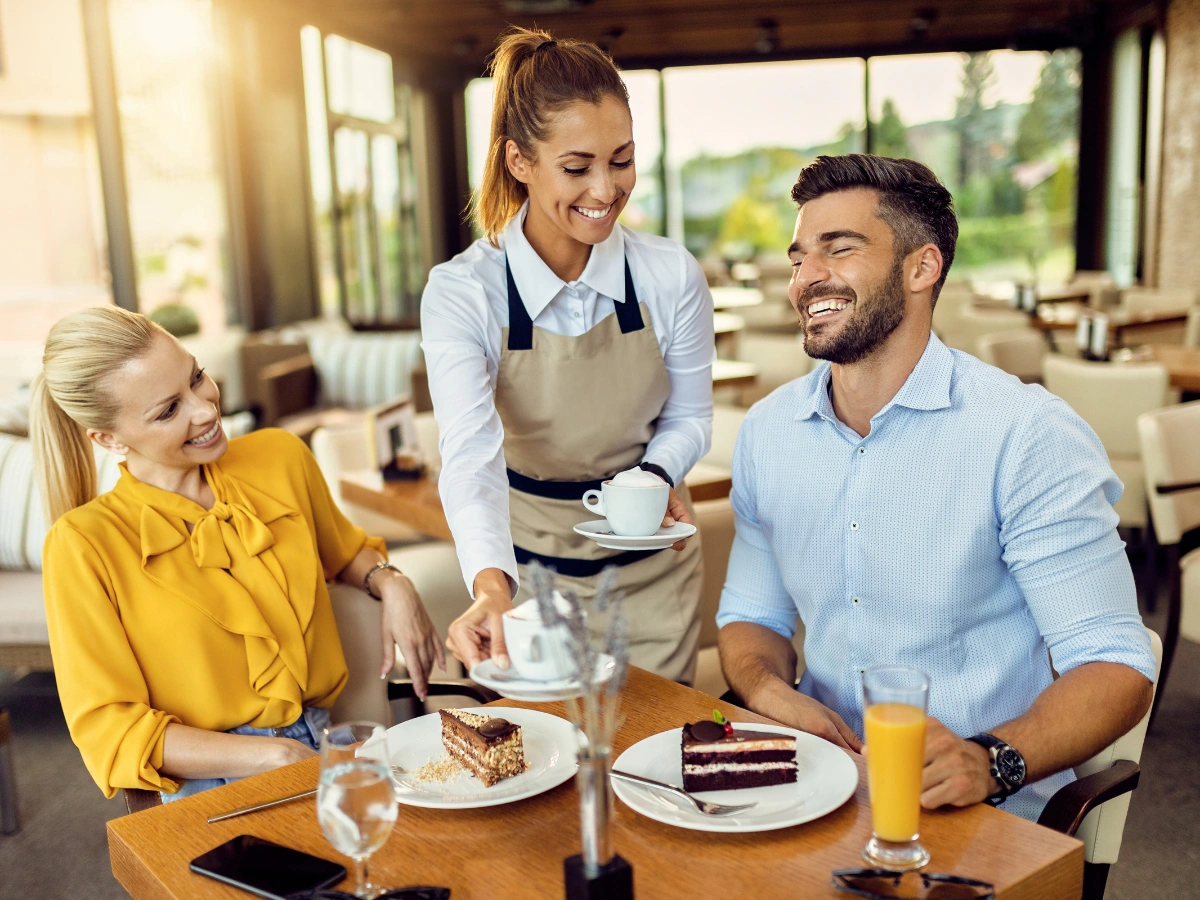
Dubai continues to set the pace when it comes to hospitality innovation, and Ramadan is no exception. Hotels and restaurants are moving beyond traditional iftar buffets to more curated experiences. Think set menus designed for sharing, flexible dining times, and spaces that encourage guests to stay longer rather than rush through a meal.
One of the strongest Dubai hospitality trends for Ramadan 2026 is personalisation. Hotels are analysing guest data from previous years to predict peak timings, preferred cuisines, and group sizes.
This allows them to adjust staffing, menu planning, and table layouts in advance. Many venues are also investing in quiet zones and family-friendly seating, recognising that not every guest wants a loud or crowded atmosphere after a long day of fasting.
Another noticeable trend is staff readiness. Training now focuses as much on cultural sensitivity and guest interaction as it does on speed of service. Well-prepared teams understand the emotional significance of Ramadan, which reflects positively on the brand experience.
Abu Dhabi retail uniforms and brand identity
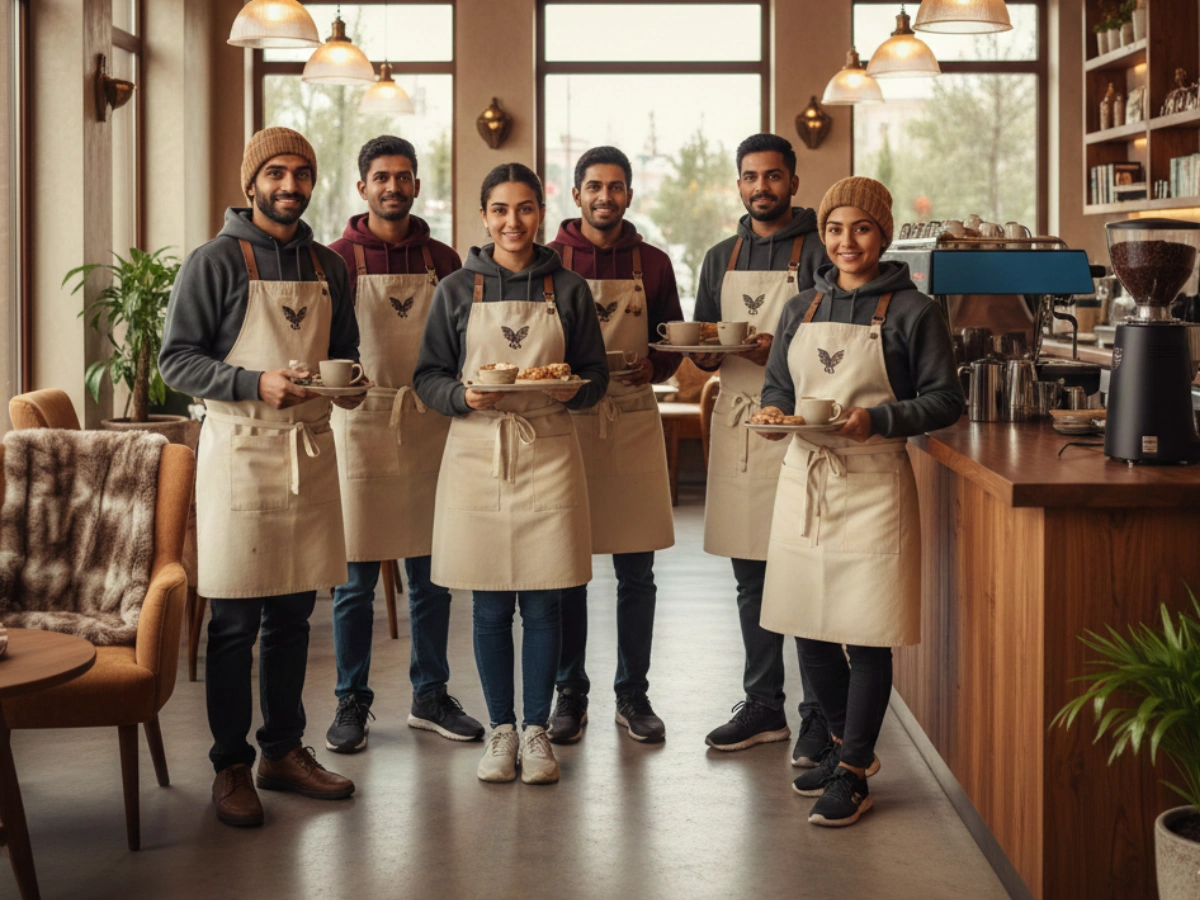
In Abu Dhabi, retail brands are placing renewed emphasis on presentation and professionalism during Ramadan. Uniforms play a bigger role than many realise. For Ramadan 2026, Abu Dhabi retail uniforms are being designed with both comfort and cultural elegance in mind.
Retail staff often work longer evening shifts during Ramadan, so breathable fabrics, modest cuts, and subtle Ramadan-themed colour palettes are becoming standard.
Brands are also ensuring consistency across locations so customers feel the same sense of calm, respect, and quality wherever they shop.
This focus on uniforms is not just aesthetic. Comfortable, well-designed uniforms help staff perform better during long hours, which directly impacts customer satisfaction. In a competitive retail environment, these details quietly but powerfully influence buying behaviour.
Sharjah night market readiness
Sharjah’s Ramadan nights have a character of their own. Community-focused, family-oriented, and deeply rooted in tradition, the emirate’s night markets are a major attraction during the holy month.
For 2026, Sharjah night market readiness is being approached with more structure and planning than ever before.
Vendors are preparing inventory well in advance, particularly for food, clothing, and gift items that see high demand after iftar.
Local authorities and organisers are also working closely with businesses to improve layout, lighting, and crowd flow. The goal is to make markets more comfortable and accessible without losing their traditional charm.
Another area of focus is staffing. Many vendors rely on temporary workers during Ramadan, so early recruitment and training are becoming essential. Those who prepare early are better equipped to handle peak nights, especially during the last ten days when footfall increases sharply.
Technology and the nocturnal economy
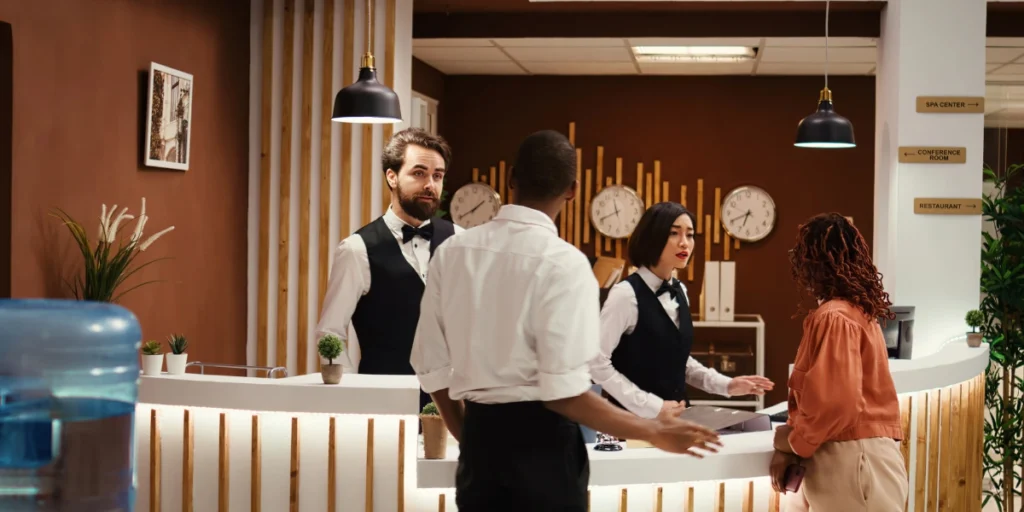
Digital transformation is quietly supporting Ramadan 2026 UAE Business Preparation across sectors. Online reservations, click-and-collect retail, and mobile payment systems are now expected, not optional.
During Ramadan nights, when time feels compressed and venues are busy, convenience matters more than ever.
The rise of the UAE nocturnal economy 2026 is also influencing logistics. Deliveries are being rescheduled for late evenings or early mornings, customer service teams are extending hours, and marketing campaigns are timed to go live after iftar rather than during the day.
Social media plays a major role here. Brands are planning Ramadan-specific content calendars that align with when people are actually scrolling, usually late at night. This ensures promotions feel timely rather than intrusive.
Balancing faith, culture, and commerce
One of the biggest challenges for brands is striking the right balance. Ramadan is not a sales event in the traditional sense, and customers can sense when messaging feels too aggressive. Successful businesses approach Ramadan with humility, respect, and a genuine understanding of its meaning.
This is why thoughtful Ramadan 2026 UAE Business Preparation focuses on experience rather than discounts alone. Hospitality brands are creating calmer environments. Retailers are training staff to be patient and empathetic. Even visual merchandising is being softened to reflect the tone of the month.
Brands that respect these values tend to see stronger engagement, both during Ramadan and long after it ends.
Looking ahead
As Ramadan 2026 approaches, one thing is clear. Preparation is no longer a checklist completed a few weeks before the crescent moon appears. It is a strategic process that touches every part of the business, from staffing and uniforms to technology and customer experience.
Dubai’s hospitality sector continues to innovate, Abu Dhabi’s retailers are refining their in-store presence, and Sharjah’s night markets are becoming more organised while staying authentic. Together, these efforts reflect how the UAE’s business landscape is maturing around Ramadan.
For brands willing to invest time, thought, and cultural understanding, Ramadan 2026 offers more than a seasonal boost. It offers a chance to connect with customers in a way that feels meaningful, respectful, and memorable.